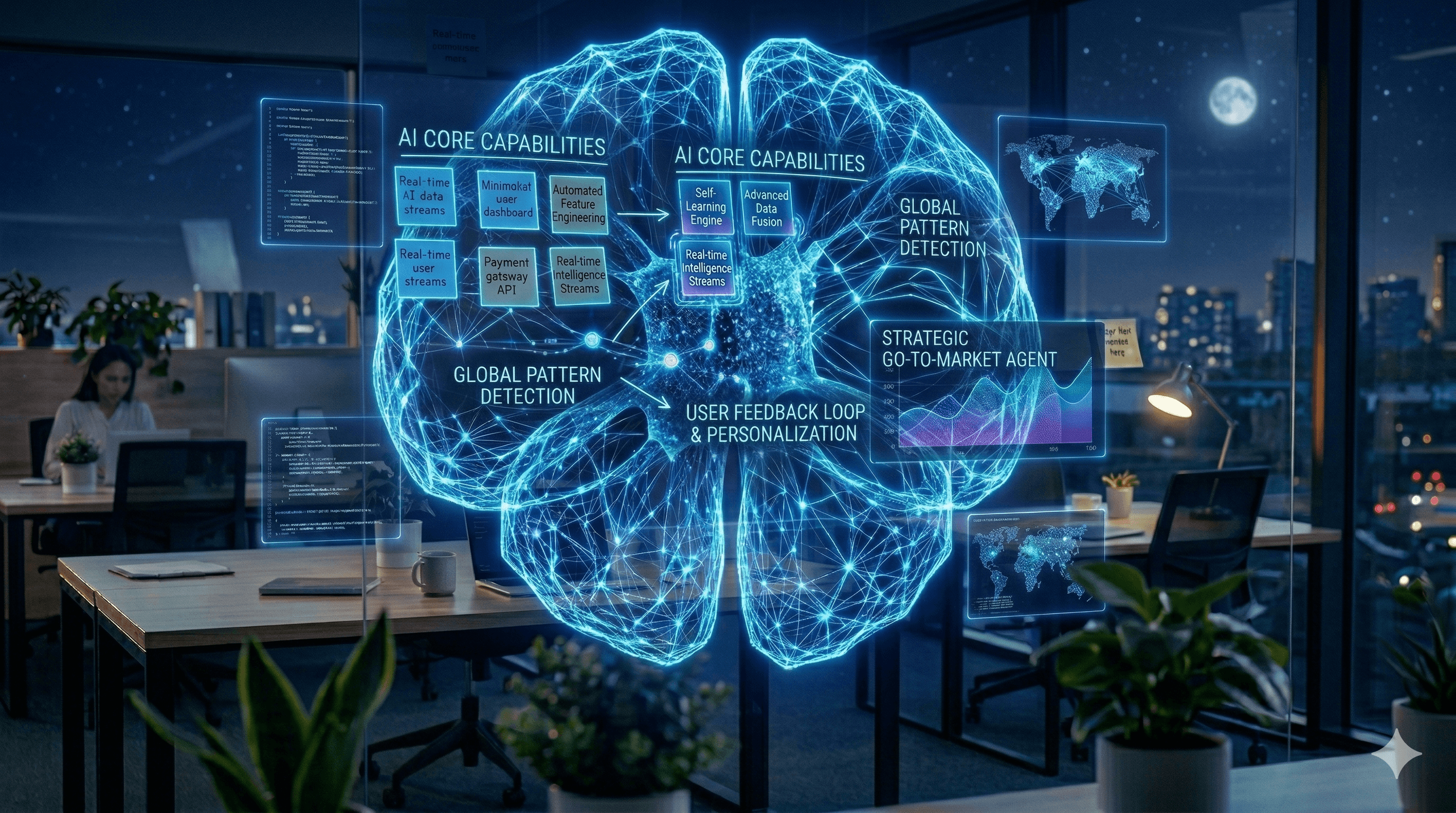
Artificial intelligence is no longer a futuristic add-on for SaaS products. It is rapidly becoming a core product advantage. A few years ago, AI features were considered experimental or innovative. Today, users increasingly expect software to be faster, smarter, and capable of reducing manual work. This shift is changing how modern SaaS products are designed, positioned, and monetized.
AI Is Changing User Expectations
Traditional SaaS products focused on workflow execution. Users clicked buttons, filled forms, managed dashboards, and manually processed tasks. AI changes that interaction model by making software more assistive rather than purely functional. Instead of simply helping users complete tasks, AI-powered SaaS products increasingly help users make better decisions faster. This shift significantly improves perceived product value.
Automation Is Becoming a Product Standard
One of AI’s most immediate impacts is reducing repetitive work. Modern users expect software to automate predictable operational tasks wherever possible.
- Automatic email drafting
- AI-generated summaries
- Lead qualification workflows
- Customer support automation
- Smart document generation
- Intelligent workflow triggers
Products that save time consistently create stronger retention.
Personalization Is Becoming More Important
Generic product experiences increasingly feel outdated. AI enables SaaS products to personalize recommendations, workflows, and content based on user behavior.
Examples include:
- CRM systems prioritizing leads automatically
- Content tools generating context-aware suggestions
- Recruitment products ranking candidate relevance
- Support tools drafting smart responses
Personalization improves usability because the software feels adaptive rather than static.
Predictive Intelligence Creates Competitive Advantage
AI does not only automate existing workflows. It also helps businesses anticipate outcomes. Predictive intelligence is becoming one of the most valuable SaaS differentiators.
- Churn prediction
- Forecasting
- Behavior analysis
- Anomaly detection
- Recommendation engines
This creates stronger decision-making capability for users and increases product stickiness.
AI Features Alone Do Not Create Product Value
This is where many product teams make mistakes. Adding AI purely because the market expects it often creates clutter instead of value. Poor implementations include unnecessary chat interfaces, vague AI assistants, or expensive automation that solves weak problems. Good AI feels useful, contextual, and aligned with clear business value.
Product Teams Need Strategic AI Adoption
Instead of asking how to add AI, stronger product teams ask better questions.
- What repetitive task can AI eliminate?
- Where does user friction exist?
- What decisions need assistance?
- What creates measurable customer leverage?
This approach creates product differentiation rooted in actual customer outcomes.
Final Perspective
AI is fundamentally changing SaaS products, but the winners will not be the products with the most AI features. They will be the products using AI intelligently to improve workflow speed, decision quality, and customer outcomes. Product strategy matters more than hype.