One of the most common questions founders ask before building a product is simple:
"How much does SaaS development actually cost in India?"
The honest answer is that pricing depends far less on developer hourly rates than most people assume. The real cost is influenced by product complexity, architecture choices, execution speed, integrations, user roles, scalability planning, and future maintainability. A founder who understands these variables early usually makes better product decisions and avoids expensive rebuilds.
Typical SaaS Development Cost Ranges
While exact budgets vary, practical planning usually falls into a few broad categories. A lean MVP often starts in the lower range when scope is tightly controlled. Mid-complexity SaaS products require significantly more engineering effort because systems begin interacting with one another. Advanced SaaS platforms involving analytics, automation, AI, billing complexity, integrations, and scalability planning naturally move into a higher investment bracket. Budget conversations become meaningful only when product scope is clearly defined.
Why SaaS Costs Increase Faster Than Founders Expect
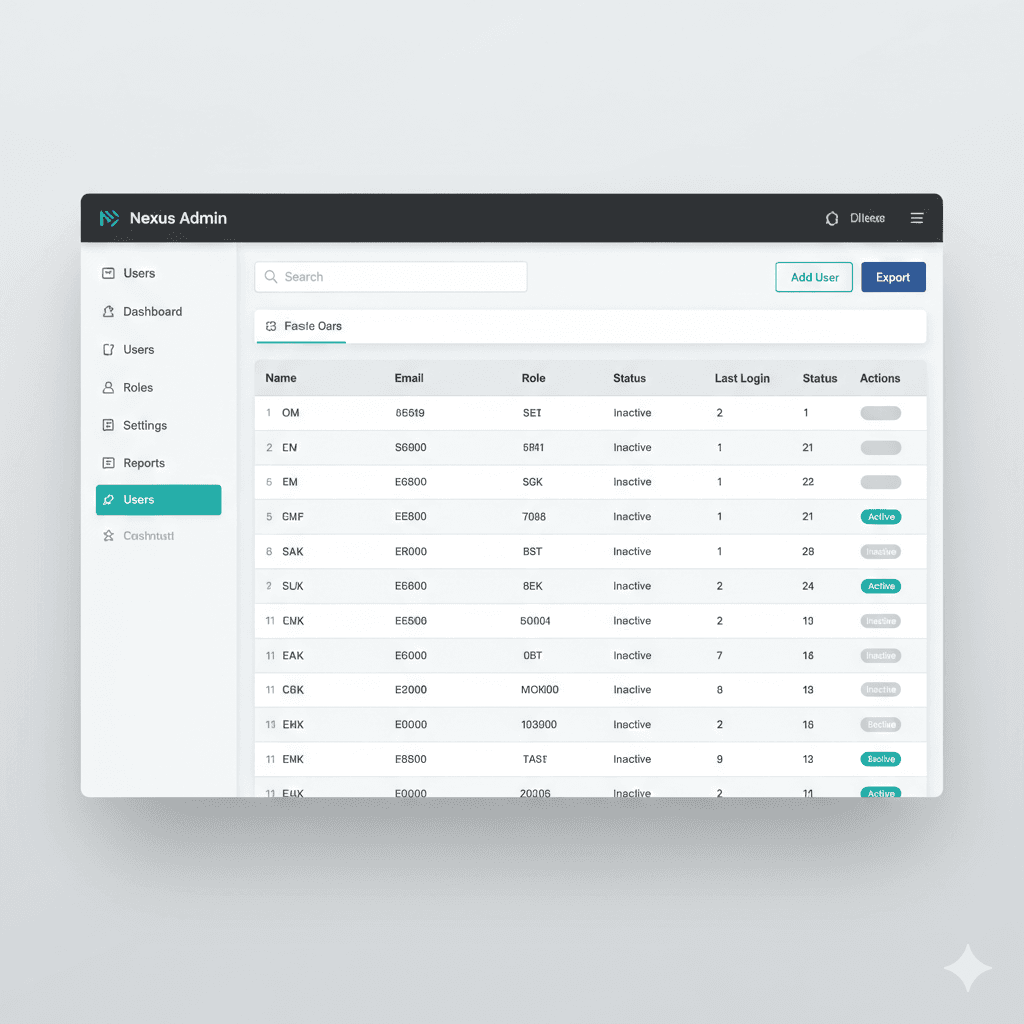
Many founders compare SaaS products with websites or simpler digital products. That comparison is misleading. A SaaS product includes systems that often remain invisible to end users but require substantial engineering effort.
- Authentication systems
- Subscription billing logic
- Dashboard architecture
- Role-based permissions
- Data modeling
- Analytics pipelines
- Notifications
- Integrations
- Admin management systems
Every new layer increases implementation effort, testing complexity, and future maintenance requirements.
Product Complexity Changes Everything
Two products may appear similar externally while requiring very different engineering effort internally.A simple booking platform with appointment scheduling is relatively straightforward.The same platform becomes dramatically more complex when you introduce recurring subscriptions, staff permissions, notifications, reporting, analytics, CRM integrations, payment workflows, and automation. Founders often underestimate backend complexity because polished UI makes software look deceptively simple.
Team Structure Impacts Cost
Development cost is also shaped by how execution is handled.Freelancers may reduce upfront cost, but coordination risk increases.Agencies typically offer stronger delivery structure, faster execution, and clearer ownership.Dedicated product teams bring long-term technical consistency but require greater investment.The cheapest route is not always the most affordable if poor execution creates technical debt.
Hidden Costs Founders Frequently Miss
Product development is only part of the financial picture. Operational costs continue after launch.
- Cloud hosting
- Email systems
- Domain infrastructure
- Payment gateway fees
- Monitoring tools
- Analytics software
- Maintenance work
- Future feature expansion
Founders who only budget for initial development often underestimate actual ownership cost.
Reduce Cost Without Compromising Product Quality
Smart cost optimization usually comes from disciplined product strategy, not cutting engineering corners.
Better approaches include:
- Starting with a focused MVP
- Reducing speculative features
- Choosing proven technology
- Validating demand before scaling aggressively
- Avoiding unnecessary complexity early
Efficient execution creates stronger long-term outcomes than simply chasing the lowest quote.
Final Perspective
SaaS development costs in India can be highly efficient compared to many global markets, but smart budgeting still depends on product clarity.Founders who understand scope, complexity, and long-term requirements make dramatically better investment decisions.In software development, strategic clarity saves far more money than aggressive cost cutting.